Rhode Glazing Milk vs Peptide Glazing Fluid: What Is the Difference?

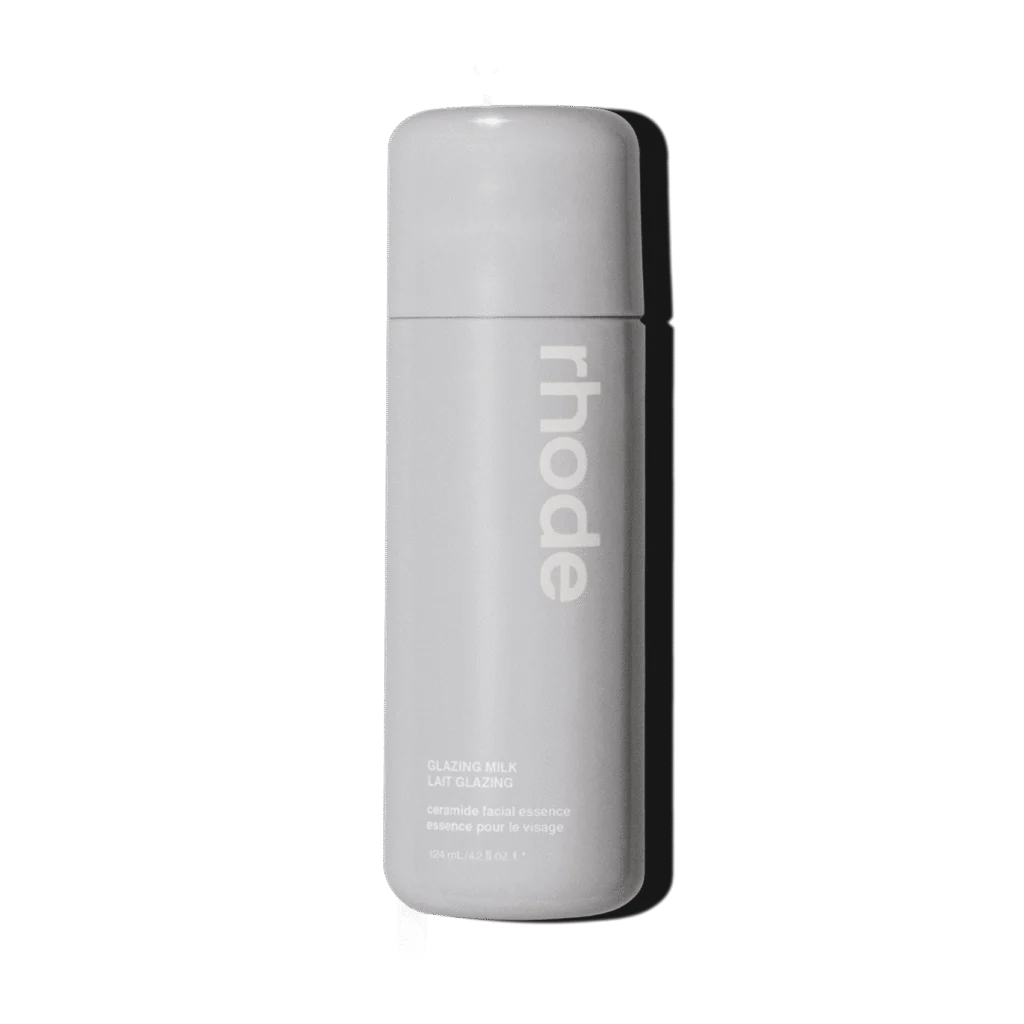
Short answer: Glazing Milk is a pourable, milky essence you press into skin first. Peptide Glazing Fluid is a pump-dispensed gel-serum you use after it. One reviewer found the milk more hydrating, so if you only buy one, choose the milk.
Image: Rhode
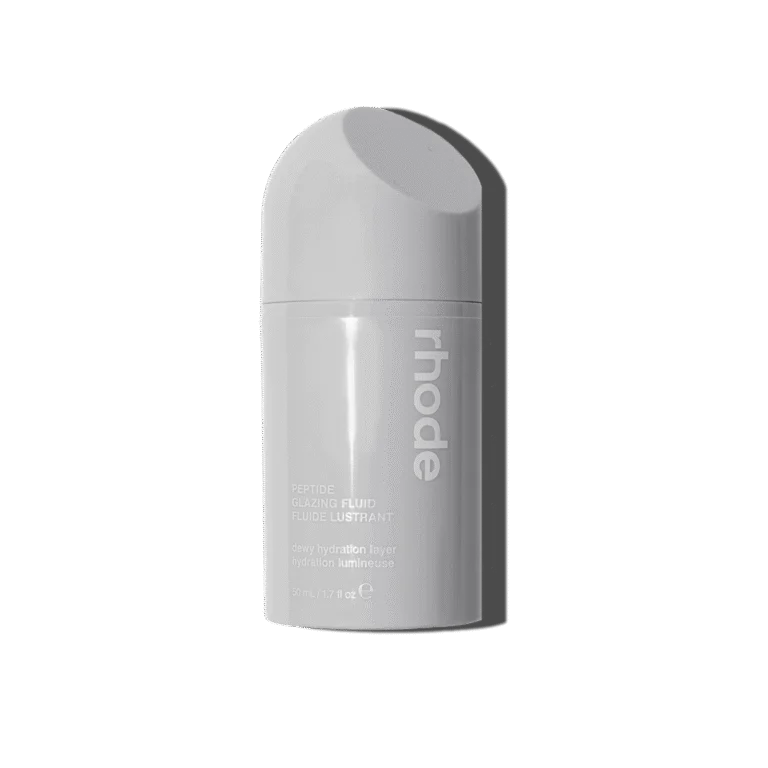
Image: Rhode
Rhode Glazing Milk vs Peptide Glazing Fluid at a glance
| Glazing Milk | Peptide Glazing Fluid | |
|---|---|---|
| Format | Pourable milky essence | Gel-serum with a pump |
| Texture | Creamy and opaque, turns clear on skin | Cooling gel, a little sticky |
| Purpose | Calm skin and prep it for the next steps; dewy “glazed” look | Plump and hydrate; works as a makeup base |
| Key ingredients | Ceramide trio, beta-glucan, mineral blend | Peptides (check Rhode’s page for the full list) |
| Order | First, after cleansing | Second, after the milk |
| Watch out for | Subtle effect; can feel heavy for very oily skin | Slight stickiness; one reviewer’s pump failed |
What Glazing Milk does
Glazing Milk is a hybrid between a toner and an essence. You shake the bottle, pour some into your hands and press it onto face, neck and chest. The brand highlights a ceramide trio, beta-glucan and a magnesium, zinc and copper blend. NYLON’s reviewer found it thicker than typical milky essences, non-sticky and long-lasting, but described the effect as a boost rather than a transformation.
What Peptide Glazing Fluid does
The fluid is a lighter gel-serum formulated to plump and hydrate. Paige DiTullio found it cooling with a slight stickiness and more subtle results than the milk, but worked well as a makeup base.
Which one hydrates more?
Paige DiTullio found the Glazing Milk more hydrating, despite Rhode’s positioning of the fluid as the plumping step. She and NYLON’s reviewer both say neither product is transformative, so expect comfort and glow, not dramatic changes.
How to use them together
- Cleanse.
- Pour Glazing Milk into your hands and press it onto face, neck and chest.
- Add Peptide Glazing Fluid.
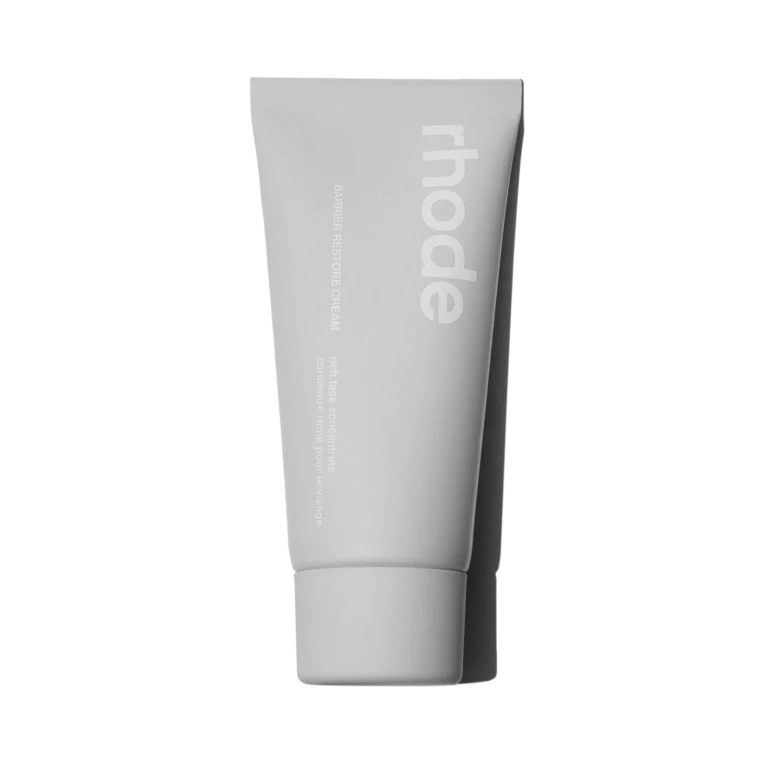
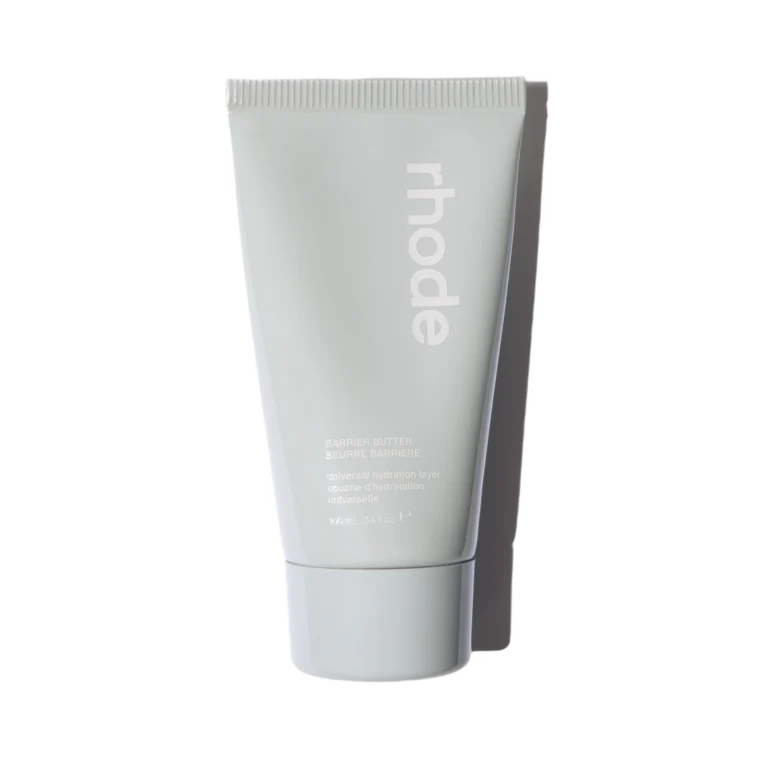
- Seal with Barrier Restore Cream or Barrier Butter, as Rhode suggests.
Which should you buy?
- Dry or normal skin: the Glazing Milk.
- Looking for a makeup base: the fluid is worth a look.
- Oily or acne-prone skin: go lightly; see our skin-type guide.
- Budget-minded: see the Glazing Milk alternatives.
Our take: the milk is the one to try first. Add the fluid only if you want an extra hydration layer or a smoother makeup base.
Rhode Glazing Milk vs Peptide Glazing Fluid: What Is the Difference?: FAQ
Do I need both Glazing Milk and Glazing Fluid?
No. Neither is transformative, according to the reviewers we read. Most people will get the bigger boost from the Glazing Milk. The fluid is an extra hydration layer.
Which one goes first?
The Glazing Milk goes first as the prep step and the Peptide Glazing Fluid follows as the hydration layer.
Which is better under makeup?
One reviewer found the Peptide Glazing Fluid worked well as a makeup base, and Rhode also suggests mixing Glazing Milk into foundation for a dewy finish.
Is Glazing Milk the same as a toner?
It behaves like one: you pour it into your hands and press it onto skin. Rhode calls it a ceramide facial essence.
What should I use after them?
Rhode suggests following with Barrier Restore Cream or Barrier Butter.
Ready to try Rhode?
See the full range on the official site.
Affiliate link: we may earn a commission at no extra cost to you. Why?
Sources: Paige DiTullio: Glazing Milk vs Fluid · NYLON: Glazing Milk review · TODAY best Rhode products · Mamamia: Glazing Milk alternatives